Key Takeaways
- A campshower is a portable outdoor rinse system, usually bag-, pump-, gravity-, or sprayer-based.
- The best type is the one that fits your camp style and setup, not the most complex one.
- A campshower works best when you set up the full station before filling the bag.
- A campshower can fail if it is used like indoor plumbing.
A campshower gives you a way to wash off dirt, sweat, and soap when there’s no bathroom nearby. Quick answer: for most campers, a 2- to 5-gallon campshower is the practical range. The right setup is the one that fits your water source, privacy needs, and cleanup load. The sections below sort out the types, the setup, the mistakes, and the care.
What a campshower actually is, and what it is not
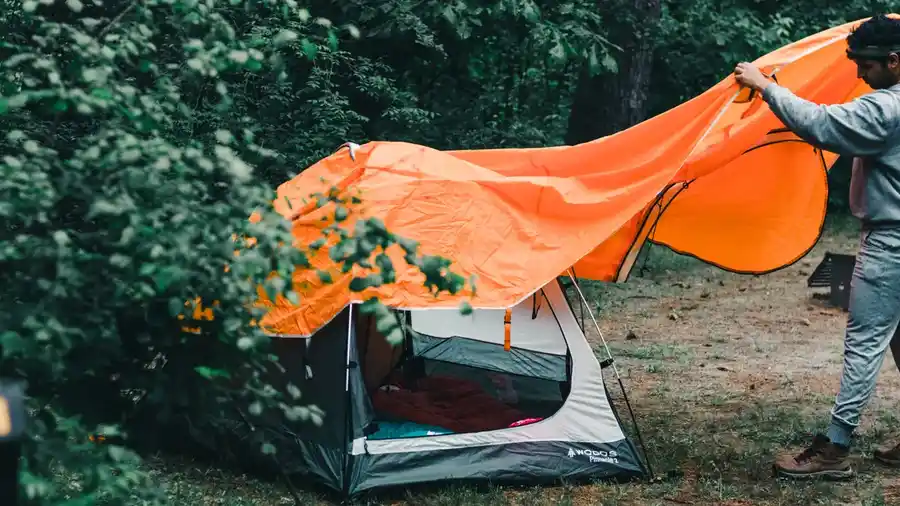
A campshower is a portable way to rinse yourself outdoors, usually with a bag, pump, gravity tank, or pressurized sprayer. It is not the same thing as a camp sink, and it is not a full plumbing system. Think of it as a field wash station for people who want basic hygiene at camp.
The simplest versions are soft bags you fill with water and hang in the sun. Others use a hand pump, foot pump, or battery-powered sprayer. The price range is wide, but the job is the same: move a small amount of water to your skin without a fixed shower stall. A 2- to 5-gallon setup is common because it is easier to carry than a larger tank.
Here’s the catch: a campshower is only useful if you can heat, carry, and manage the water safely. A hot-water shower with a propane heater is a different animal from a 5-liter gravity bag. One serves car camping. The other can fit a backpack or a canoe trip.
Most readers are really asking three things:
- Will this work at my campsite?
- How much gear do I need?
- How much cleanup will it leave behind?
Campshower types at a glance
| Type | Best for | Typical setup | Trade-off |
|---|---|---|---|
| Solar bag | Simple washing and warm weather | 2- to 5-gallon bag hung in sun | Light, but flow is basic |
| Gravity bag | Fewer moving parts | Bag, hose, and raised hang point | Simple, but pressure is limited |
| Pump sprayer | Controlled rinse jobs | Hand pump, foot pump, or battery sprayer | Better control, more parts |
| Heated system | Car camping and cold nights | Fuel or power plus hoses | Most comfort, most bulk |
Which campshower type fits your trip?
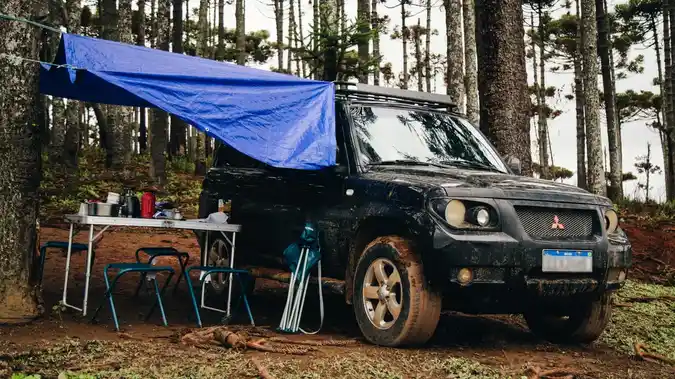
The best campshower type is the one that matches your camp style, not the one with the most parts. A backpacker and a family at a drive-in site need different gear, even if both want a quick rinse after a dusty day.
A solar bag is the lightest option. You fill it, let the sun warm it, and hang it from a branch or rack. A pressurized shower usually gives better flow, but it needs pumping or charging. A propane-heated shower delivers the closest thing to a real hot shower, but it also brings fuel, hoses, and more setup.
Use this quick filter:
- Solar bag: best for simple washing, low cost, and warm weather
- Gravity bag: best when you want fewer moving parts
- Pump sprayer: best for controlled rinse jobs and short hair washouts
- Heated system: best for car camping and cold nights
The trade-off is clear. More comfort usually means more bulk, more parts, and more cleaning. A bare-bones bag can be frustrating if the water runs out fast or the flow is weak. A richer system can feel luxurious and still be a pain to pack.
How do you set up a campshower?
A campshower works best when you build the whole station before the first drop of water goes in the bag. Start with shade, privacy, drainage, and a place to hang the container. If you skip those pieces, the shower turns into a wet mess.
Use this basic procedure for a simple hanging setup:
- Pick a level spot with room to stand, change, and step away from splashed water. You want at least a few feet of clear ground so soap and runoff do not pool under your feet.
- Hang the bag or reservoir from a sturdy branch, rack, or frame at a height that lets the hose reach your shoulders. A higher hang gives better flow, but only if the support can safely hold the filled weight.
- Fill the reservoir with clean water and warm it if the model allows it. A solar bag needs direct sun; a heated model needs the fuel or power source it was built for.
- Test the valve or nozzle before you soap up. You want a steady stream, not a surprise drip or a stuck shutoff.
- Use a small amount of soap, rinse fast, and turn off the flow while you lather. That stretches the water and keeps the station from flooding.
- Drain the remaining water, dry the bag or hose, and store everything open when possible so damp parts do not smell stale later.
A plain setup can work with one bag, one hose, and one towel. That is enough for a lot of weekend trips. The water pressure will not feel like home plumbing, and that is fine. You are buying convenience, not a bathroom renovation.
One practical benefit is that a simple setup is easier to clean, easier to replace, and less likely to fail in the middle of a trip.
What do people get wrong with campshowers?
A campshower can fail if the user treats it like indoor plumbing. It is a portable wash tool, not a sealed bathroom system. If you push it past that limit, the problems show up fast. If you are unsure about load ratings, setup limits, or repair issues, consult the manufacturer’s instructions or a qualified gear repair professional.
The most common mistake is overfilling the tank or bag. A container that is too full can be harder to hang, harder to carry, and more likely to spill while you are moving it. Another mistake is using a weak support point. A branch that looks fine with an empty bag may sag once the reservoir is full.
Here are the errors that cost the most time:
- Too much soap: it takes more water to rinse, and the runoff gets messier
- No privacy plan: you end up changing in the open
- Bad drainage: your feet stand in muddy water
- No drying time: mildew and odor build up in the hose or bladder
- Wrong water temperature: cold water shocks, and overheated water is uncomfortable at best
A lot of beginners also ignore weight. A 5-gallon container is heavy when full. If you need to carry it far from the car or lift it above shoulder height, a smaller unit is easier to manage. A 2- to 3-gallon setup is often enough for a quick rinse and a partial hair wash.
On the flip side, underbuilding the station is a mistake too. A towel on the ground does not count as drainage, and a tree with no privacy screen does not create a shower area.
How do you keep a campshower clean and safe to use?
A clean campshower lasts longer and smells better, and that usually means rinsing, drying, and storing it the right way after every trip. Water left in a hose or bag can turn stale fast, especially in warm weather.
Use a simple cleaning routine:
- Empty all water after each use
- Rinse the tank or bag with clean water
- Flush the hose and nozzle
- Let every piece air-dry before storage
- Keep soap residue out of valves and caps
If the model has a filter, gasket, or pump seal, check it before the next trip. Tiny grit and dried soap can make a valve stick or a nozzle spray sideways. A soft brush and plain water are usually enough for routine care. Harsh cleaners can leave smell or damage flexible parts.
Leave No Trace guidance is useful here. The Leave No Trace Center for Outdoor Ethics and the National Park Service both stress washing away from water sources and using biodegradable soap sparingly, if at all, in wild settings. That matters because your rinse water does not disappear; it goes somewhere. Keep runoff away from lakes, streams, and standing water, and follow the rules of the land you are on.
Sources:
- Leave No Trace Center for Outdoor Ethics: https://lnt.org/why/7-principles/
- National Park Service, Leave No Trace principles: https://www.nps.gov/articles/leave-no-trace-principles.htm
A campshower is a good tool. It is not a license to dump greywater anywhere you want.
Campshower use in real camping setups
A campshower is easiest to live with when it matches the kind of camping you actually do. The same device can feel perfect at one site and awkward at another.
For car camping, size and comfort matter more than weight. You can bring a larger bag, a privacy shelter, and extra water. A family site near a picnic table can support a more elaborate wash station. In that setting, a shower with a hose, nozzle, and stable frame makes sense.
For backpacking, the bar is different. Every ounce counts, and water may need to be carried from a source. A compact rinse system or even a simple camp wash setup can be the better call. You may decide that a full shower is not worth the weight at all.
For dusty desert trips, the value of a campshower is high. Dust gets on skin, hair, cookware handles, and sleeping gear. A quick rinse before bed can improve comfort a lot. For humid or cold trips, the same shower may feel like extra work unless you really need it.
The practical test is simple:
- Short, dry trip: a small bag may be enough
- Long base camp: a larger station makes more sense
- Cold-weather camp: hot water matters more than flow
- Minimalist trip: skip the shower unless hygiene is a real problem
This is where a lot of generic advice goes wrong. It assumes every camper needs the same setup. They don’t. A campshower is a convenience tool, and the right one is the one you will actually use without cursing it.
When should you skip a campshower?
You should skip a campshower when water is scarce, setup space is tight, or the site rules make greywater handling awkward. In those cases, a wet cloth wash, a no-rinse hygiene routine, or a quick basin wash may be the better fit.
A campshower also makes less sense on very short trips. If you are out for one night and already have a clean campsite near facilities, the setup time may not be worth it. The same is true if your only water source is far away and the container will be too heavy to carry safely.
A few signs can point to a different solution:
- You have no safe place to hang or stabilize the reservoir
- You need to conserve every gallon
- You are camping where wastewater rules are strict
- You only need to clean hands, face, or feet
The best alternative is not always “no wash.” Sometimes it is a wipe-down, a bandana rinse, or a small basin at the edge of camp. That gets the job done with less gear and less mess.
What should a beginner remember before buying or packing one?
A beginner should remember that a campshower is judged by three things: how easy it is to fill, how easy it is to control, and how easy it is to clean. If one of those is bad, the whole thing becomes annoying.
Look for the details that matter:
- Capacity: enough water for your actual use, not a wish list
- Hanging method: stable enough for the filled weight
- Valve or nozzle: easy to control with wet hands
- Storage size: fits your car, bin, or pack
- Cleaning access: wide enough to rinse and dry
The wrong choice is usually the one with too many claims and too little practicality. A device that sounds fancy can still be miserable if it leaks, tips, or takes forever to dry. A simpler model often wins because it gets used more often.
A campshower is not a luxury only, and it is not a must-have for every trip. It is a tool. The right one makes camp life cleaner without turning your morning into a chore.
FAQ
How much water does a campshower use?
A campshower can use very little or quite a bit, depending on the container and how long you keep the valve open. A smaller bag is usually enough for a quick rinse, while a larger reservoir works better for hair washing or shared use.
Can I use soap with a campshower?
Yes, but use it sparingly. Less soap means less rinsing and less runoff to deal with at camp. In wild settings, keep soap use limited and keep wastewater away from streams and lakes.
Is a campshower good for backpacking?
Sometimes, but only if the weight and volume make sense for the trip. Many backpackers prefer a very small rinse system or skip a full shower and use a washcloth instead. A bulky heater or large tank usually belongs in a car camp.
What’s the easiest campshower to maintain?
A simple bag or gravity system is usually the easiest to maintain. Fewer moving parts means fewer places for grit, soap, and leaks to hide. Drying it fully after each use matters more than fancy features.
Do I need a privacy shelter for a campshower?
Not always, but it helps a lot. If you are at a crowded site or you want to change clothes comfortably, a screen or shelter makes the setup much more usable. At a remote site, a simple tree line or vehicle may be enough if the rules allow it.
Drafted with AI; not yet reviewed by a person.
Leave a Reply