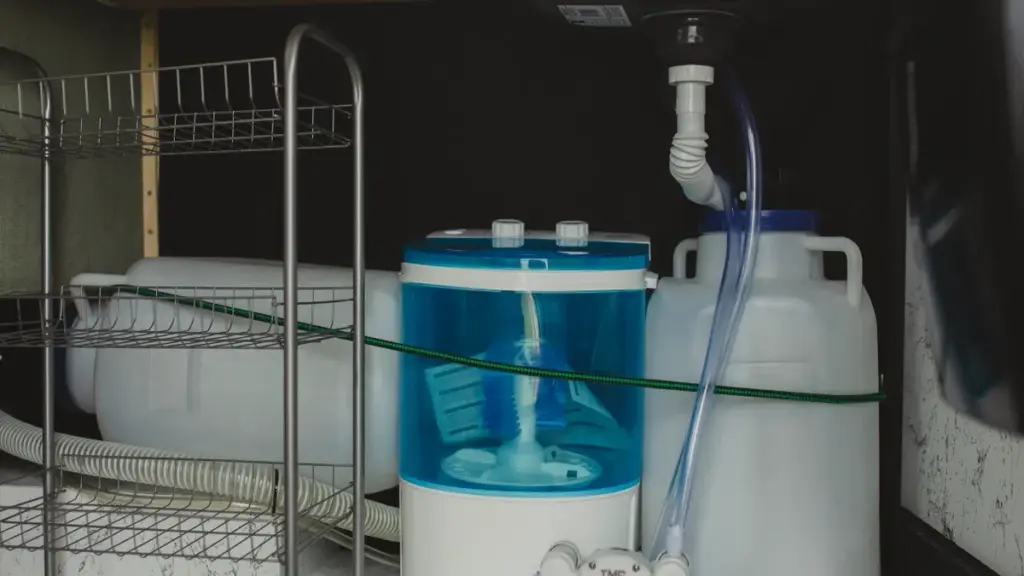
A portable shower, or Portableshower, is a shower setup you can move, pack away, and use where no fixed bathroom exists. Quick Answer: if you need water, privacy, and a rinse in a campsite, van, or job site, this setup is often the right fit. The sections below settle what type fits, what parts matter, and what to skip.
Key Takeaways
- A portable shower is not one product; it can mean a gravity bag, a pump sprayer, a bucket pump, or a pop-up enclosure with a shower head.
- The best choice depends on water source, pressure, privacy, and how much setup you can tolerate.
- Size, water flow, and heat method matter more than flashy extras.
- Some portable showers are fine for quick rinses but poor for hair washing or long use.
- The wrong pick wastes water, leaks at the hose, or gives weak spray when you need real pressure.
What a portable shower actually includes
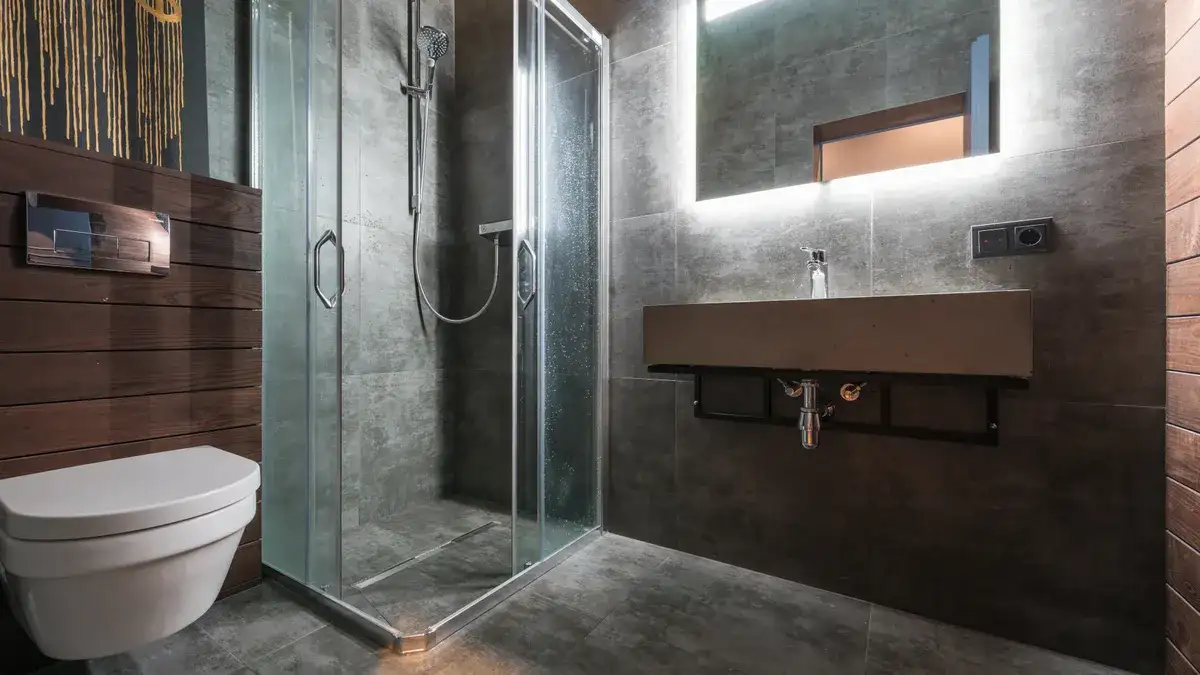
A portable shower gives you a spray source, a place to control the water, and a way to keep the mess contained. Sometimes that is just a 10- to 20-liter bag with a hose. Sometimes it is a 12V pump, a shower head, and a foldable tent.
Picture this: you’re trying to wash off dust after a hike or rinse before bed in a camper, and there is no fixed stall. You need a Portableshower setup that can hold water, move water, and keep the floor from turning into a puddle. The parts are simple, but the details are not.
Most setups fall into four camps:
- Gravity showers — a bag or tank hangs above you and water flows down.
- Pump showers — an electric or battery pump pushes water through a hose.
- Bucket showers — a pump drops into a bucket or tub of water.
- Enclosure kits — a tent or privacy shelter wraps the shower area.
A lot of generic guides treat these as the same thing, but the difference is worth checking with a retailer or installer and, if needed, a plumber or outdoor equipment specialist. A gravity bag is cheap and quiet, but it needs height and gives weak pressure as the bag empties. A pump setup can feel closer to a real shower, but it needs power, sealing, and more cleanup. See the EPA WaterSense guidance on efficient water use and low-flow fixtures for context on how flow affects use. EPA WaterSense
If you only need a rinse after camping, a gravity or bucket system often makes more sense than a full enclosure kit. If you need privacy plus steady spray, a pump shower with a tent is the more complete setup. That split saves money and frustration.
What kind of portable shower do you need?
The right portable shower depends on where you will use it, how much water you can carry, and whether you need heat or privacy. A van user, a camper, and a job site user do not need the same thing.
Picture this: you’re comparing a small kit for weekend trips with a more serious setup for repeated use. The question is not “what is best?” It is “what problem am I solving every time I use it?” That answer changes the whole buy.
Use this quick guide:
- Camping or festival use: a gravity bag or compact pump is usually enough.
- Van life: a pump system with a hose and a drain mat often fits better.
- Off-grid cabin: a larger tank and better enclosure matter more.
- Emergency cleanup: a bucket pump is faster than a full tent.
- Baby wash, pet rinse, or gear cleaning: a wider spray and steady flow help.
The trade-off is usually convenience versus control, but the balance depends on the site and the user. A small bag is easy to carry, but you get less pressure. A stronger pump gives better spray, but it brings cables, noise, and more parts to keep track of.
Two simple questions narrow the field fast:
- Where will the water come from?
- Where will the runoff go?
If you cannot answer both, the setup will annoy you. A portable shower without a plan for drainage is just a wet floor with a hose attached.
How do you set up a portable shower?
You set up a portable shower by matching water source, height, hose path, and drainage before you turn it on. That order matters more than the brand.
Picture this: you have water, a bag or bucket, and a shelter, but you want the shower working in one clean go. The setup is mostly placement and flow. If you rush the order, you get kinks in the hose, weak spray, or water pooling under your feet.
Use these steps:
- Choose a level spot with enough room for the enclosure, the water container, and your exit path. A 3 ft by 3 ft area is a bare minimum for comfort; more space is better if you need to change clothes inside.
- Place the water source where it can feed the shower head without strain. A gravity bag needs height. A pump setup needs the intake fully submerged or properly connected to a tank.
- Lay out the hose in a straight path with no hard bends. A kinked hose cuts flow fast and makes the spray uneven.
- Set drainage before the first rinse. Use a drain mat, basin, or a spot where runoff can disperse without flooding the area.
- Test the spray for 10 to 15 seconds. Check that the stream reaches your body, the trigger works, and the water is not spraying back into the connections.
- Adjust pressure or height if the flow is too weak. Raise a gravity bag, clear the hose, or change the pump setting if the model has one.
- Shut down and dry after use. Empty standing water, wipe the shower head, and let the enclosure air out before packing.
The details sound small, but they stop the common failures. A lot of users blame the shower when the real problem is hose routing or bad placement. That mistake costs time and leaks water into places you did not plan for.
Which features matter most in a portable shower?
The most useful features are water capacity, pressure style, heat method, privacy, and cleanup time. Flashy extras matter less than those five.
Picture this: you are reading a product page and every model sounds “premium.” That word tells you nothing. The real question is whether the shower gives enough water for one wash, enough pressure for your hair, and enough privacy for the place you use it.
Watch these specs:
- Water capacity: a small bag may be fine for a quick rinse, but it can run out before a full wash.
- Pressure style: gravity is simple, pump pressure is stronger, and bucket systems sit in the middle.
- Heat method: solar warming is easy but slow; electric heating needs power and more care.
- Hose length: too short, and you crowd the container; too long, and flow can drop.
- Setup time: if it takes 20 minutes every time, you may stop using it.
There is also a hidden spec: cleanup. A shower that traps water in folds, hose joints, or a fabric floor takes longer to dry and can smell bad fast. A simple surface wipes down better than a fancy setup with too many seams.
The truth is, most buyers focus on spray and ignore drainage. That is backwards. A decent spray with bad runoff becomes a mess. A modest spray with good runoff is livable every day.
Portable shower types: what works best for different jobs
Different portable shower types solve different problems, and the wrong type is easy to spot once you know the trade-offs. A great camping shower can be a poor van shower. A sturdy van shower can be awkward for a quick roadside rinse.
Picture this: you need something for one exact use case, not a catalog of options. That is where the type matters more than the label. The wrong format wastes water, space, or patience.
| Type | Best for | Core Spec | Standout Feature | Action |
|---|---|---|---|---|
| Gravity bag shower | Campers who want the simplest setup | Needs elevation and a hanging point | Quiet and light | Choose this if you want low cost and low parts count |
| Battery or 12V pump shower | Van users and frequent rinses | Needs power and a hose connection | Better spray control | Choose this if you want more pressure and faster washing |
| Bucket pump shower | Emergency cleanup and short trips | Uses a bucket or tub as the water source | Fastest to deploy | Choose this if portability matters more than comfort |
| Enclosure kit with shower head | Privacy-focused users | Adds a tent or screen | Better dressing room feel | Choose this if you need privacy more than compact storage |
Gravity bag systems are the easiest to understand, but they can feel weak late in the wash. Pump systems feel more like a normal shower, yet they bring more failure points: battery charge, seals, switches, and hose fittings. Bucket systems are quick, but they look and feel temporary. Enclosure kits improve privacy, not water performance.
Who Should Skip This: If you need hot water and stronger spray for regular use, skip a basic gravity bag and move to a pump setup with a proper enclosure.
Buy this if you are a camper who wants a quiet rinse and can hang the water bag high enough.
Skip this if you need steady pressure for long hair or repeated use, because weak gravity flow will frustrate you.
What are the most common mistakes with portable showers?
The most common mistakes are buying for the wrong water source, ignoring drainage, and choosing a shower that is too small for the real task. Each one costs comfort, time, or both.
Picture this: you unbox the kit, fill it, and find the hose is too short, the bag is too low, or the floor is already wet. That is not bad luck. It is a bad match.
Here are the failures that show up most often:
- Wrong water source: A pump model without power becomes dead weight.
- No runoff plan: Water pools underfoot and dirties the area.
- Tiny capacity: You run out mid-wash.
- Weak height setup: Gravity flow drops and the spray turns dribbly.
- Too many parts: Setup gets annoying, so the shower stays packed away.
The fix is boring but effective. Start with your water source, then your drainage, then your privacy needs. Only after that should you compare extras like pockets, zippers, or a fancier spray head.
A second mistake is treating every portable shower like a daily shower. Consult the product instructions and, if you are unsure about plumbing or electrical load, a qualified professional. It is not. Some are built for a 5-minute rinse after a trail. Others are built for regular use in a van or cabin. If you expect the wrong one to behave like a full home shower, you will be disappointed.
How do you keep a portable shower clean and working?
You keep a portable shower working by emptying water, drying parts, and checking hoses after every use. That routine is short, but skipping it causes odor, mildew, and weak flow.
Picture this: you are done showering and want to pack up fast. That urge is how shower hoses stay wet, bags stay grimy, and seals wear out early. A few minutes of cleanup saves a lot of hassle next time.
Use this routine:
- Drain all standing water.
- Shake out the hose and let the last water run clear.
- Wipe the inside of the bag, tub, or shower head.
- Leave the enclosure open so air can move through it.
- Check the hose ends, latch points, and seams for grit or wear.
If your setup has a filter or intake screen, clean that too. A clogged intake makes the spray weaker and can strain the pump. If the shower is solar-heated, empty it after use instead of leaving warm water sitting in it for hours. Check the manufacturer’s care guidance and, if needed, ask a service technician about seals or pump wear.
A portable shower lasts longer when it is treated like gear, not furniture. Maintain it like outdoor equipment, and it will last longer. Clean it, dry it, pack it.
What should you buy a portable shower for, and what should you skip?
You should buy a portable shower for controlled rinsing where a fixed shower does not exist, and you should skip it if you expect full-home comfort in a tiny package. That line matters.
Picture this: you want something you can carry, set up, and trust without rethinking the whole trip. The right portable shower gives you enough water, enough privacy, and a cleanup routine you can actually repeat. The wrong one becomes dead weight after the second use.
Buy a portable shower if you are:
- a camper who wants a quick rinse
- a van user who needs privacy and a hose
- a pet owner who needs a rinse station outside
- a worker who needs a wash point away from plumbing
Skip it if you need:
- long hot showers with strong pressure and no setup
- zero cleanup
- a fixed bathroom feel in a small footprint
The best portable shower is the one that fits your real routine, not the one with the longest feature list. A simple model that matches your water source will beat a fancy kit that fights you every time.
Can I use a portable shower indoors?
You can use some portable showers indoors, but only if you control runoff and moisture. A pump shower or bucket shower inside a bathroom is easier to manage than a gravity bag in a bedroom or hallway. If the room has poor ventilation or no drain, skip it.
Do portable showers heat water?
Some do, but not all. Solar bags warm water slowly in direct sun, while electric models need power and more care. If hot water matters every day, look for a system designed for heating rather than a basic rinse kit. The U.S. Department of Energy has general guidance on water-heating efficiency and energy use. Energy Saver
Is a gravity shower strong enough?
A gravity shower can be strong enough for rinsing off dust, sweat, and light soap use. It is not the best choice if you want steady pressure for thick hair or long showers. Height and water volume make a big difference, according to typical gravity-fed flow behavior described in consumer shower guidance. (Source: Consumer Reports)
What is the easiest portable shower to pack?
A bucket pump or a simple gravity bag is usually the easiest to pack because it has fewer rigid parts. Enclosure kits take more room and more folding. If storage space is tight, choose the fewest pieces that still solve your real problem.
Drafted with AI; not yet reviewed by a person.
Leave a Reply