Key Takeaways
- A mobile shower unit is a movable shower system that connects without a permanent bathroom.
- It works best when a fixed bathroom is delayed or unavailable.
- Single-stall carts and multi-stall trailers serve different needs.
- Set up by leveling, connecting utilities, checking heat and pressure, and testing before use.
A mobile shower unit gives you a wash setup anywhere plumbing is missing or tied up. It’s a portable shower system built to deliver water, drainage, and privacy in one movable package. This guide covers what it includes, where it works, what to check before you rent or buy, and the mistakes that cause cold water, wet floors, and bad placements.
What a mobile shower unit actually includes
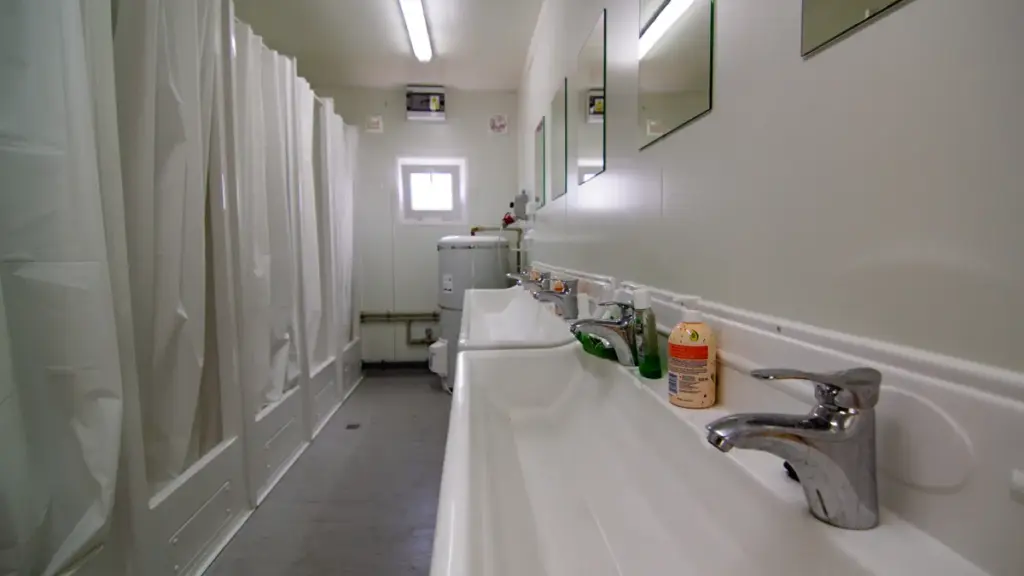
A mobile shower unit is a shower you can move, set up, and connect without building a permanent bathroom. Most units combine a stall, water supply, heater or mixing setup, pump, and waste handling in one trailer, cart, or modular cabinet.
The shape changes by use case, but the job stays the same: give one person a place to wash with controlled water and some kind of privacy. If you’re looking at rental fleets, disaster response gear, jobsite trailers, or event units, that is the core package.
Typical parts you’ll see:
- Shower stall or cubicle
- Fresh-water tank or hose connection
- Pump or pressure feed
- Heater or temperature mixer
- Grey-water tank or drain hose
- Door, curtain, or lockable enclosure
- Non-slip floor and grab points
- Lighting and ventilation
The catch is that “mobile” does not mean “no setup.” Some units only need water and power hookups. Others need leveling, drain routing, and a place that can handle vehicle access. A unit with a tank might run self-contained for a short period, while a plumbed unit depends on site utilities.
If you are choosing one, the first question is not style. It is water, power, and waste. Miss one of those and the unit stops being useful fast.
Where a mobile shower unit makes sense
A mobile shower unit makes sense when people need reliable washing before a permanent bathroom is ready or available. That includes construction sites, emergency shelters, festivals, remote camps, utility outages, and temporary housing projects.
Picture this: you’ve got people on-site for 10 hours, dust on their clothes, and no locker room within 200 feet. A portable shower solves that better than a hand sink, but only if the site can support it. The right unit depends on headcount, privacy needs, and how often the shower will turn over.
Good fits usually include:
- Construction and industrial sites where dirt control matters
- Disaster response where fixed plumbing is down
- Events and festivals with overnight campers
- Remote work sites where a trailer can be serviced
- Temporary housing during repairs or rebuilds
Poor fits include:
- A place with no truck access
- A site with no drainage plan
- A job that needs full accessibility but only has a cramped stall
- A cold-weather site without freeze protection
- A location with strict water-discharge rules and no containment
The truth is, a mobile shower unit is not just a comfort item. It can affect crew morale, hygiene, and compliance on a jobsite. But if your site can’t handle hoses, power, or wastewater, the unit becomes a problem instead of a fix.
How do you choose the right mobile shower unit?
You choose the right mobile shower unit by matching the unit to three things: how many people will use it, what hookups the site has, and how much privacy or mobility you need. A single-stall cart and a multi-stall trailer solve very different problems.
Picture this: you need showers for a short-term crew, but the site only has a standard power source and a narrow gate. A giant trailer looks impressive and fails on the driveway. The better fit is the one that can get in, connect, and drain without daily drama.
Use this order of checks before you commit:
- Count the users and peak timing. One shower for 6 people is not the same as one shower for 30 people at shift change.
- Check the water source. Decide whether you have a hose hookup, onboard tank, or both.
- Check heat source and power. Some units need electricity for pumps, lights, or water heating; some use propane or another fuel.
- Plan wastewater handling. Grey water needs a tank, sewer connection, or a legal disposal route.
- Measure the access path. Gates, turns, slopes, and parking space can rule out a trailer even if the shower itself is right.
- Match the privacy level. Curtains are fine in some settings; lockable stalls are better in others.
- Ask about cleaning access. If a unit is hard to sanitize daily, it will become a complaint magnet.
A common mistake is buying for the shower and forgetting the site. A unit with great interior space still fails if it cannot fit under a low clearance or if the waste tank is too small for the shift pattern.
Choose based on the site first, the stall second.
How do you set up a mobile shower unit correctly?
You set up a mobile shower unit by placing it on level ground, connecting water and waste, checking heat and pressure, and running a short test before anyone uses it. That sounds simple, but the order matters because a bad setup turns into leaks, weak flow, or cold starts.
Picture this: the unit is delivered at noon, and people expect it to work by afternoon. If you rush the setup, the first user may get low pressure, a floor that pools water, or a heater that never stabilizes. A 15-minute test run saves an ugly first day.
-
Park or place the unit on level ground.
A slight tilt can affect drainage and door swing. The result should be a stall that feels stable, not a box rocking on the frame. -
Connect the fresh-water supply or fill the tank.
Use the inlet size and fittings specified for that model. The result should be steady supply without visible seepage at the connection. -
Set the waste path.
Route grey water to the tank, sewer, or approved disposal point. The result should be drainage that leaves the floor dry after the shower cycle. -
Power the heater, pump, and lights if the unit uses them.
Give the system enough time to stabilize before first use. The result should be a predictable water temperature instead of a cold shock. -
Run a short test cycle.
Check flow, temperature, door closure, floor traction, and leak points. The result should be one complete cycle with no pooling and no surprise spray. -
Put out cleaning supplies and usage rules.
Keep soap, disinfectant, and a drying plan nearby. The result should be a unit that can be reset fast between users.
A setup that looks fine from outside can still fail at the floor drain. That’s why the test cycle is not optional. It catches the cheap problems before they spread.
What are the most common mobile shower unit problems?
The most common mobile shower unit problems are poor drainage, temperature swings, cramped access, and sanitation drift. Those are not small annoyances. They are the reasons people stop using the unit or start complaining about it.
Picture this: the shower works on day one, then a week later the floor smells stale, the water runs lukewarm, and the threshold stays wet. That usually means the unit was chosen or maintained for the brochure, not the use pattern.
The usual failures and what they cost:
- Poor drainage: water pools on the floor, which raises slip risk and makes cleanup slower.
- Weak heating: users take shorter showers or avoid the unit entirely.
- Bad ventilation: moisture hangs around and surfaces stay damp.
- Small stall size: clothing, bags, and mobility aids become awkward to manage.
- Hard cleaning surfaces: grime builds up in corners and seams.
- Bad access layout: users queue outside or block the entry path.
The fix is not to “watch it better.” It is to build the routine into the unit plan.
Do this instead:
- Flush and inspect drains on a regular schedule
- Set a water-temperature check before opening hours
- Keep cleaning tools inside arm’s reach
- Reserve enough space around the entrance
- Use mats or flooring that dry fast and resist slipping
The best part? Most of these issues are visible early. If the first two days already show pooling, odor, or temperature drift, the root cause is usually in the setup, not the users.
How do you keep a mobile shower unit clean and safe?
You keep a mobile shower unit clean and safe by treating it like shared equipment, not like a spare room. That means daily wipe-downs, frequent drain checks, and a clear rule for what gets cleaned after each use.
Picture this: ten people have used the shower since sunrise, and the floor has soap film, grit, and wet corners. If you wait until the end of the week, the cleanup gets harder and the unit starts to feel unpleasant fast. Small habits keep it usable.
A simple cleaning routine:
- Wipe high-touch surfaces after use or at set intervals
- Rinse the floor and drain area every day
- Remove hair, grit, and debris from the drain cover
- Dry the stall as much as possible between users
- Refill soap and paper supplies before they run out
- Check seals, hinges, and curtain edges for wear
Safety is mostly about slip control and water control. A non-slip floor still needs a clear drain path. A door still needs to close cleanly. A privacy curtain still needs enough space so it does not drag through standing water.
Use a 2-minute visual check before opening the unit:
- floor dry or nearly dry
- no standing water around the threshold
- no exposed hot surfaces
- no loose power leads
- no blocked exit
That routine sounds basic because it is. Basic is good. A mobile shower unit earns its keep by being predictable, and predictability comes from maintenance.
What should you ask before renting or buying one?
You should ask about hookups, capacity, cleaning, and waste handling before you rent or buy a mobile shower unit. Those four answers tell you more than glossy photos do.
Picture this: you’re comparing two units that look similar online. One needs a power feed you don’t have, and the other can’t handle your wastewater plan. The wrong question costs a whole day; the right question saves the schedule.
Ask these before you sign anything:
- What water source does the unit need?
- What power source does it need, if any?
- How is wastewater stored or removed?
- How many users can it serve before turnaround gets slow?
- What cleaning is expected between uses?
- How is privacy handled?
- Does it need leveling, anchoring, or a special pad?
- What access width or height does delivery require?
If you’re renting, get the reset rules in writing. If you’re buying, ask about parts and service access, because a shower unit with hard-to-source fittings can turn one broken valve into a long outage.
One more thing: if the unit will serve people with mobility limits, ask about entry height, grab points, and stall width. A “standard” shower can still be the wrong shower.
Mobile Shower Unit FAQ
How long can a mobile shower unit run?
That depends on the water supply, wastewater storage, heating system, and user volume. A self-contained tank unit may run through a short event, while a plumbed unit can keep going much longer if the site utilities hold up.
Do mobile shower units need electricity?
Some do and some don’t. Units with pumps, lights, or water heaters often need power, while simpler units may rely on gravity feed or a separate fuel-based heat source.
Can a mobile shower unit work in cold weather?
Yes, but only if the system is set up for it. Freeze risk changes the job fast, so insulation, heat, and drain protection matter more in winter than in mild weather.
What is the biggest mistake people make with a mobile shower unit?
They pick the unit before they check the site. Water, power, waste, and access decide whether the shower works; the stall size comes second.
Drafted with AI; not yet reviewed by a person.
Leave a Reply